Spanish road signs: what their shapes and colours mean
Sources: BOE: General Traffic Regulations and Royal Decree 465/2025
Short answer. A red-bordered triangle usually warns of danger, a red-bordered circle usually prohibits or restricts, and a blue circle usually gives a mandatory instruction. Squares and rectangles generally provide information or directions. Learn two distinctive priority signs separately: the inverted triangle means give way and the red octagon means stop. Shape helps you recognise a family; the symbol and any supplementary plate complete the instruction.
The legal categories come from Spain's General Traffic Regulations, Articles 144–146. The designs and individual meanings appear in the sign catalogue introduced by Royal Decree 465/2025, Annex I, section 5. Use colour as an initial clue, then read the whole sign.
Every answer explained; traffic rules cite their BOE article · Full topics 1–3 and the sign dictionary free · English and Spanish
A shape and colour reference
| Shape and colour | Likely message | What to check next |
|---|---|---|
| Red-bordered triangle, usually on white | Warning of danger | The hazard symbol and any distance or length plate |
| Red-bordered circle | Usually a prohibition or restriction | The vehicle, manoeuvre or quantity shown |
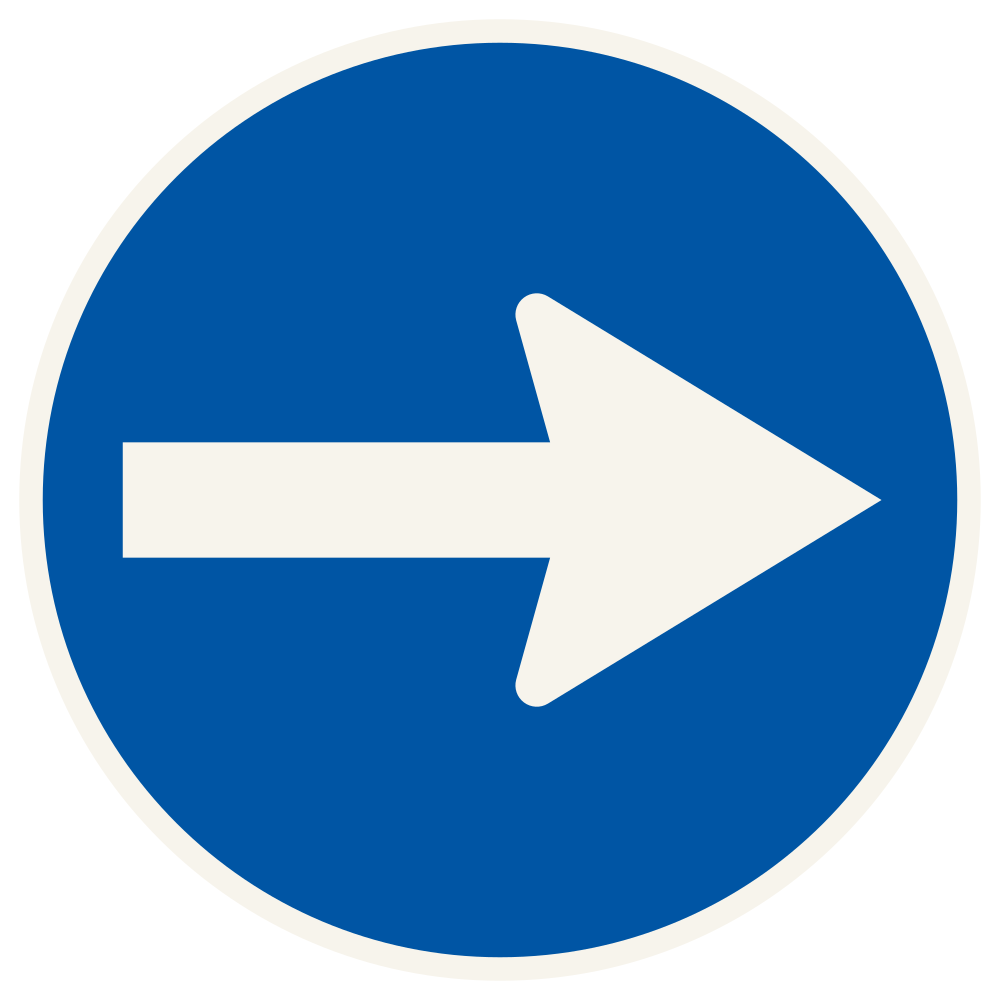
| Blue circle | Usually a mandatory instruction | The direction, route or action required |
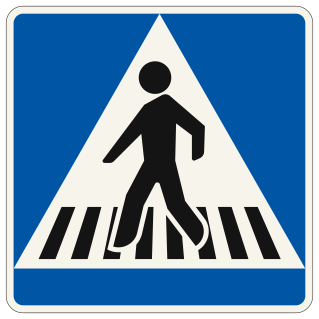
| Square or rectangle, often blue | Information or guidance | Whether it also marks special traffic rules |
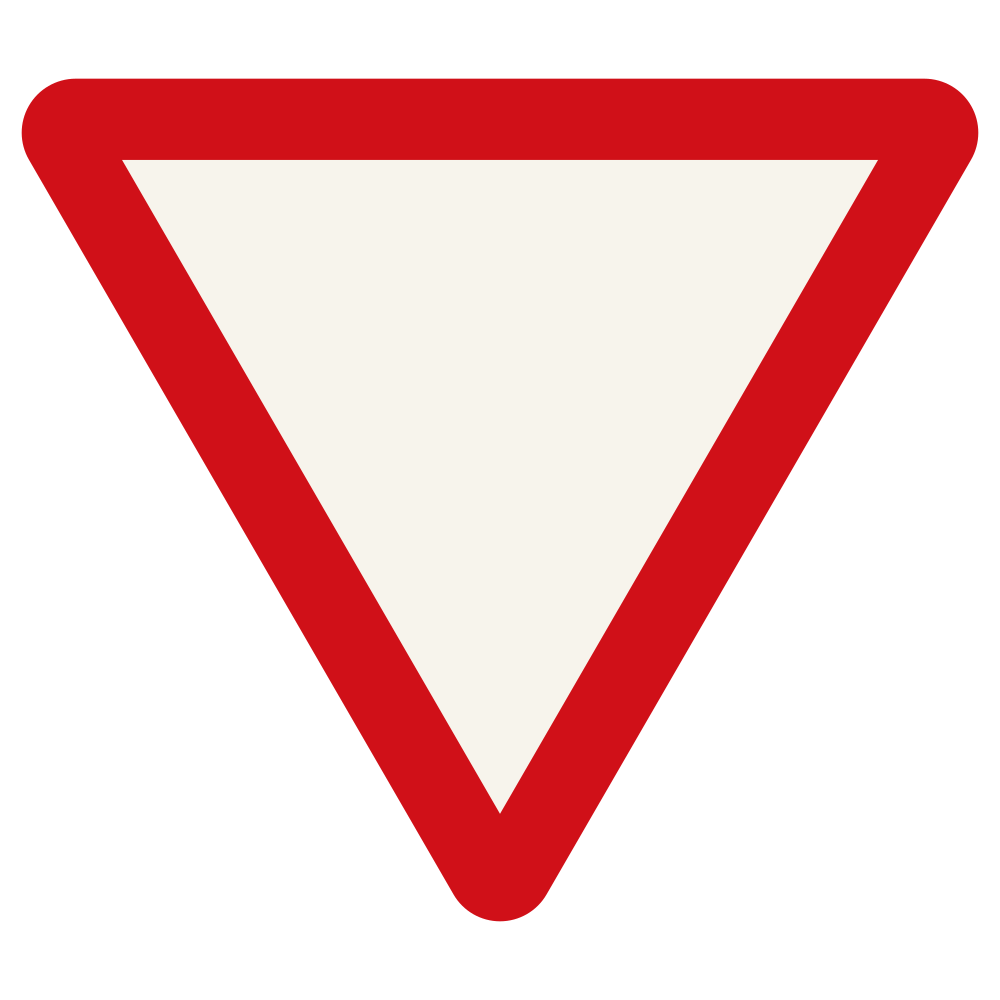
| Inverted red-bordered triangle | Give way, R-1 | Yield; stop if necessary to do so |
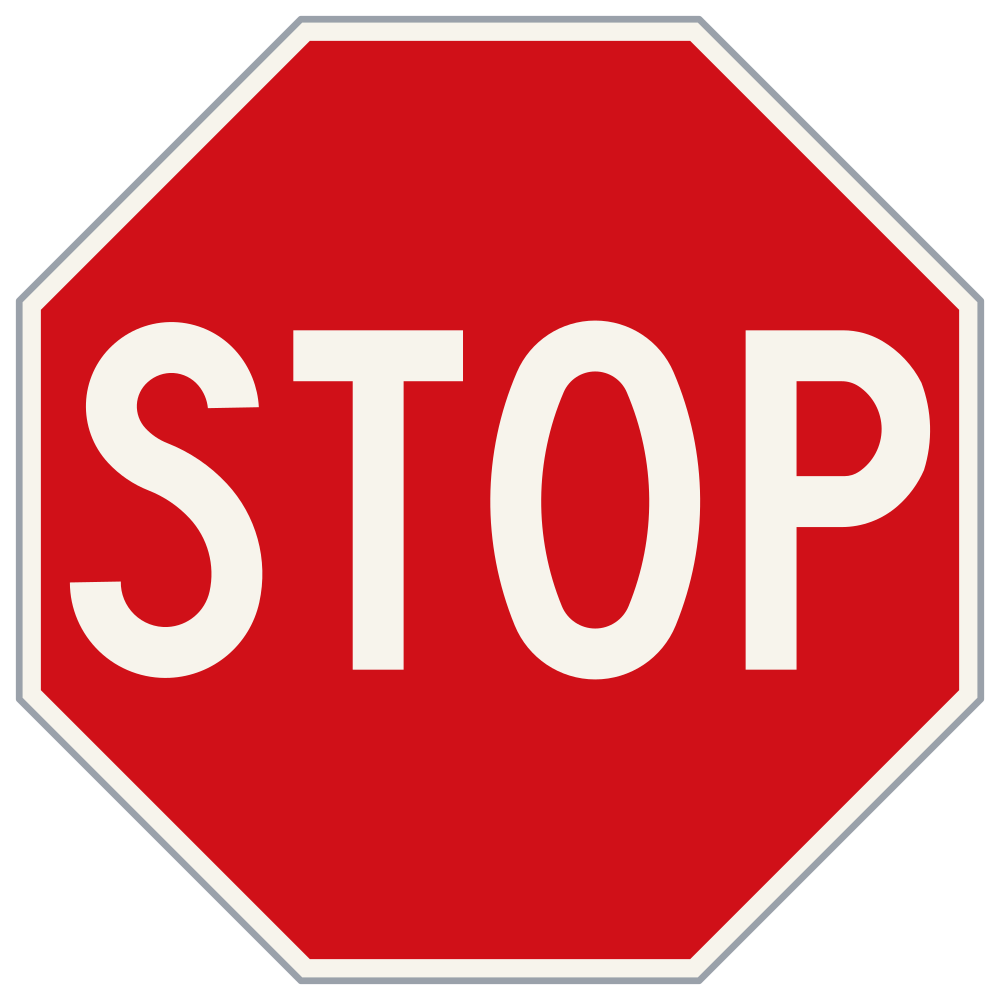
| Red octagon | Stop, R-2 | Stop and give way even if the junction seems clear |
| Yellow background on the specified models | Roadworks or maintenance | The underlying warning, restriction or guidance |
| Orange background on the specified models | Temporary changes for other reasons | The particular change being signalled |
Yellow and orange serve different purposes under sections 2.5 and 2.6 of the catalogue. They are not alternative colours for the same roadworks sign.
Compare examples from the catalogue
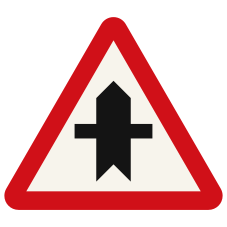
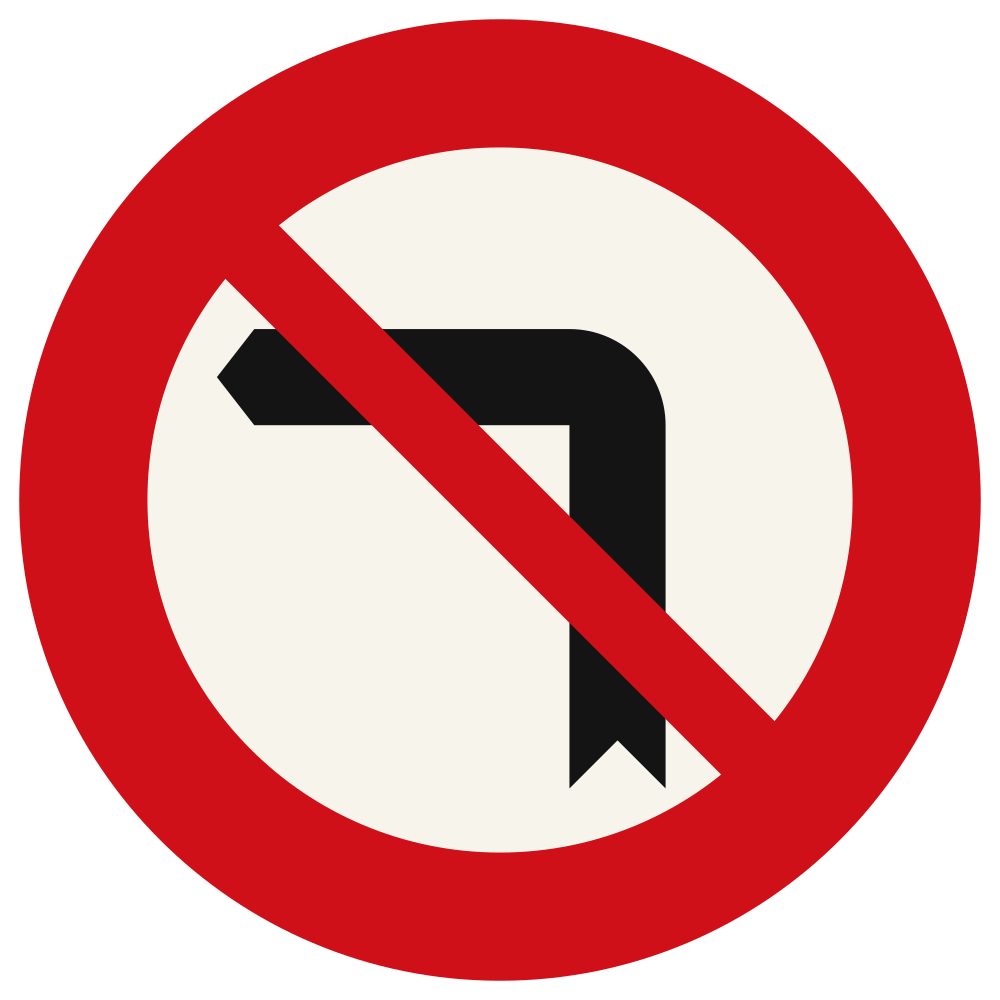
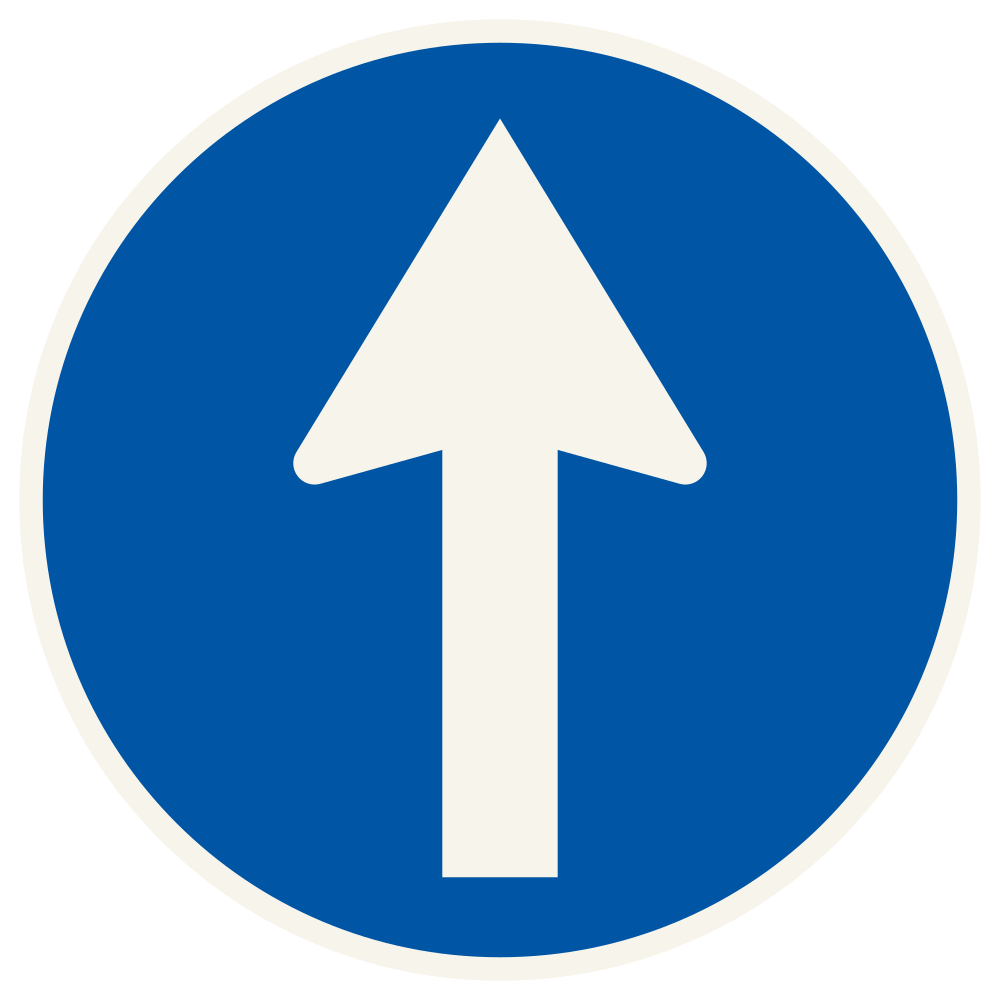
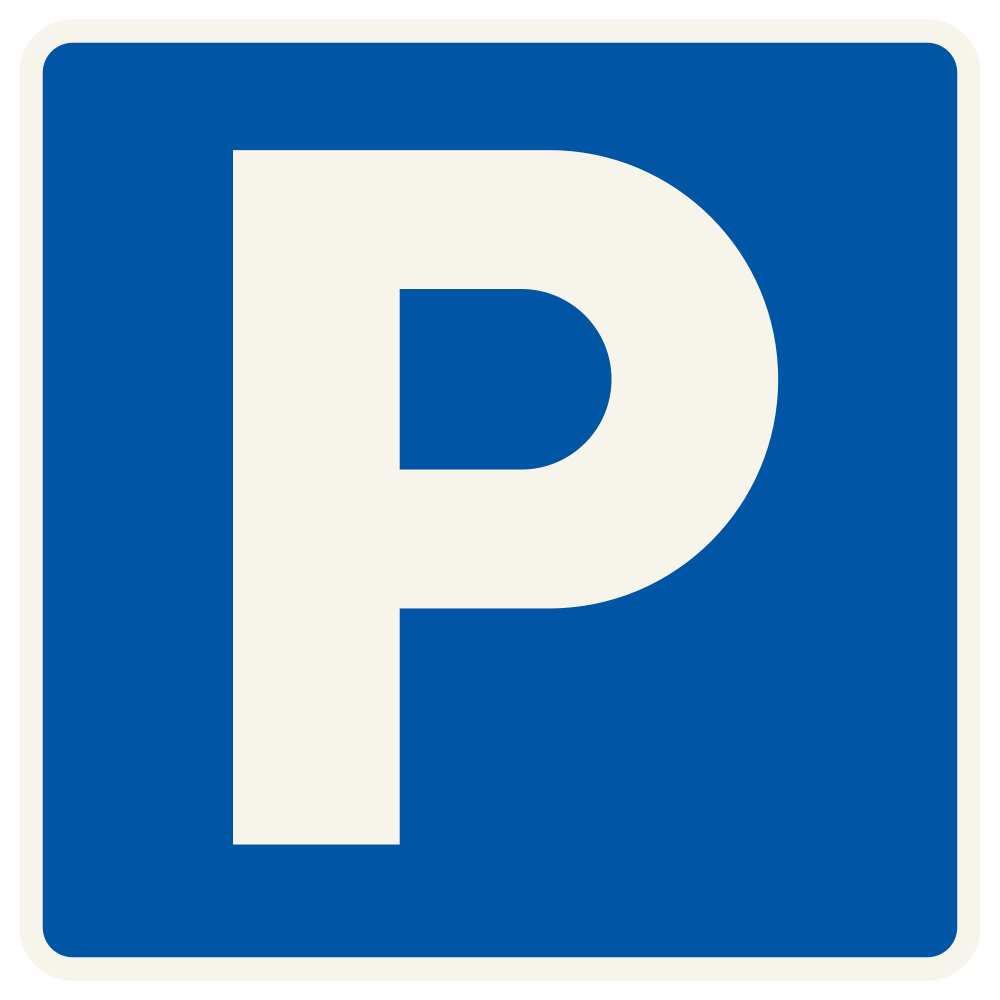
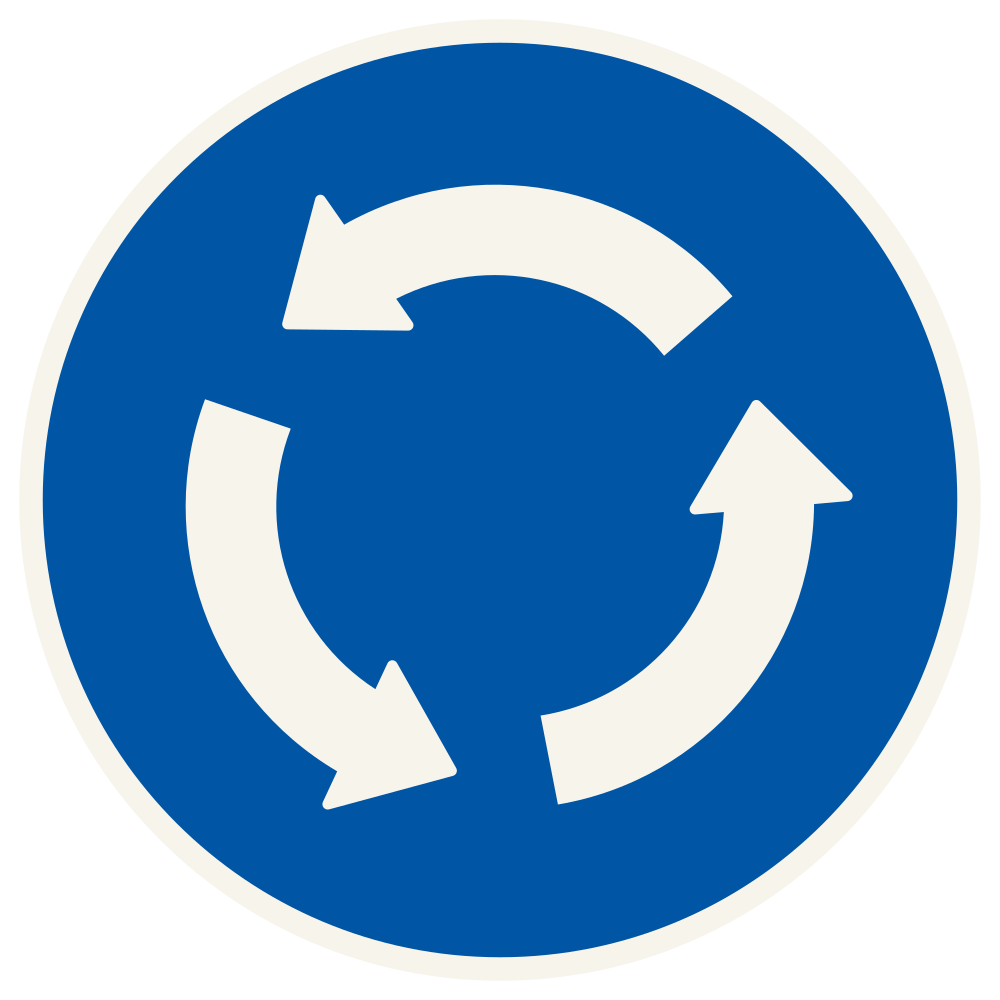
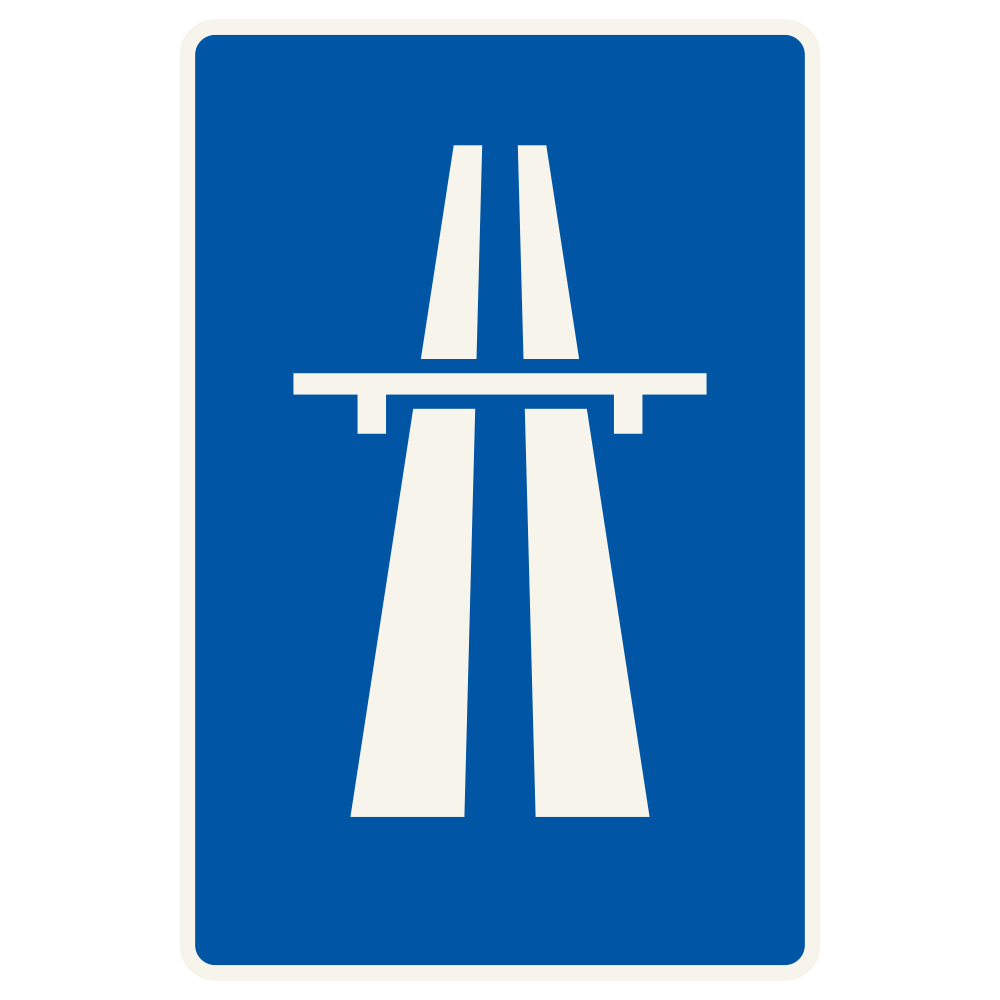
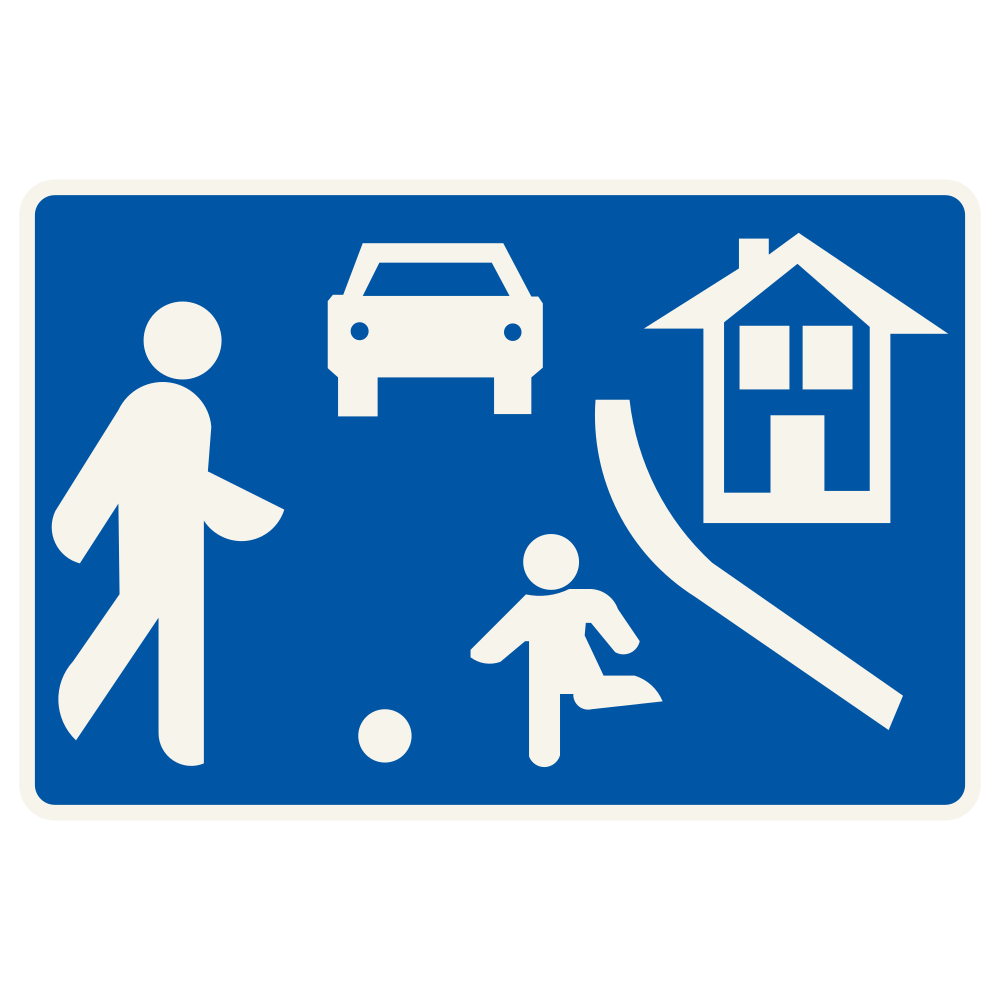
Images from the Ministry's official sign catalogue, reproduced by DrivingLingo. Compare the outline before looking at the detail: R-303 prohibits left turns and U-turns, while the arrow inside R-400c requires a direction. Their circular shape alone does not tell you which instruction applies.
Warning triangles and the give-way exception
A warning sign identifies a danger that may be difficult to notice early enough. Article 144 allows supplementary plates to show the distance to the danger or the length of the affected section. These answer different questions: how far away it starts, and how long it continues.
P-18 warns of roadworks and is used only with a yellow background. It does not itself specify a speed limit. Look for separate speed restrictions and the rest of the traffic control arrangement. You can inspect the sign in the roadworks warning guide.
R-1 points downwards and belongs to the priority group. It requires you to yield to vehicles on the road or lane you are joining. Stopping is necessary when giving way requires it. R-2, the stop sign, requires an actual stop as well as giving way. These duties are set out in catalogue section 3.2 and Article 56.5. A clear view does not turn a stop sign into a give-way sign.
Circles: look at both the border and the background
A sign such as R-301 sets a maximum speed: its number is a limit, not a recommended target. A blue circular direction sign gives a compulsory instruction. The straight-ahead arrow, R-400c, tells you which direction to follow rather than suggesting a convenient route.
Do not reduce this to “blue always means mandatory”. No-stopping and no-parking signs use blue together with a red border and red strokes. The whole design matters. The categories are defined by Article 145: priority, entry prohibitions, access restrictions, other prohibitions or restrictions, mandatory instructions, and signs ending restrictions.
Every answer explained; traffic rules cite their BOE article · Full topics 1–3 and the sign dictionary free · English and Spanish
Information signs can introduce binding rules
The blue square S-17 identifies a place where parking is authorised. Symbols or wording can reserve that parking for specified vehicles or limit its duration. Reading only the large letter and ignoring the rest can therefore miss an important condition.
More generally, an information sign may announce the beginning of a road or area with special traffic rules. “Information” does not mean “optional”. Article 146 covers general information, lanes, services, route guidance and supplementary plates. Start with the English road sign index to compare individual meanings.
Yellow for roadworks, orange for other temporary changes
In roadworks, specified warning and regulatory signs that normally have white backgrounds use yellow. Certain lane signs and direction boards also change according to the catalogue. Their basic message remains important: a yellow warning triangle warns, while a speed restriction with a yellow background still restricts.
For temporary changes caused by circumstances other than roadworks or maintenance, catalogue section 2.6 applies orange in place of yellow. This does not make every orange object a traffic sign. The rule concerns the prescribed temporary signing arrangements. See catalogue sections 2.5–2.6.
Existing signs that still apply during works can keep their design; those that cease to apply must be covered as the catalogue specifies. Read the active arrangement as a whole, including signals and instructions from authorised personnel.
Read signs in a useful order
- Identify the outline and likely family.
- Read the symbol, number and wording.
- Check any supplementary plate for scope or exceptions.
- Look for an officer, temporary traffic control or traffic light that changes which instruction takes precedence.
Article 133 sets the order of precedence. Where signs of the same type conflict, the more restrictive instruction prevails. Shape recognition therefore supports, but does not replace, reading the actual situation.
For a structured explanation, continue with topic 10: vertical road signs. For planning your practice, read the DGT theory test format, then use the English practice test guide.
Ready to try it?
A free DGT-style exam every day, and Lito to explain every mistake.
Checked against the BOE in force · English and Spanish